
Mababe Depression
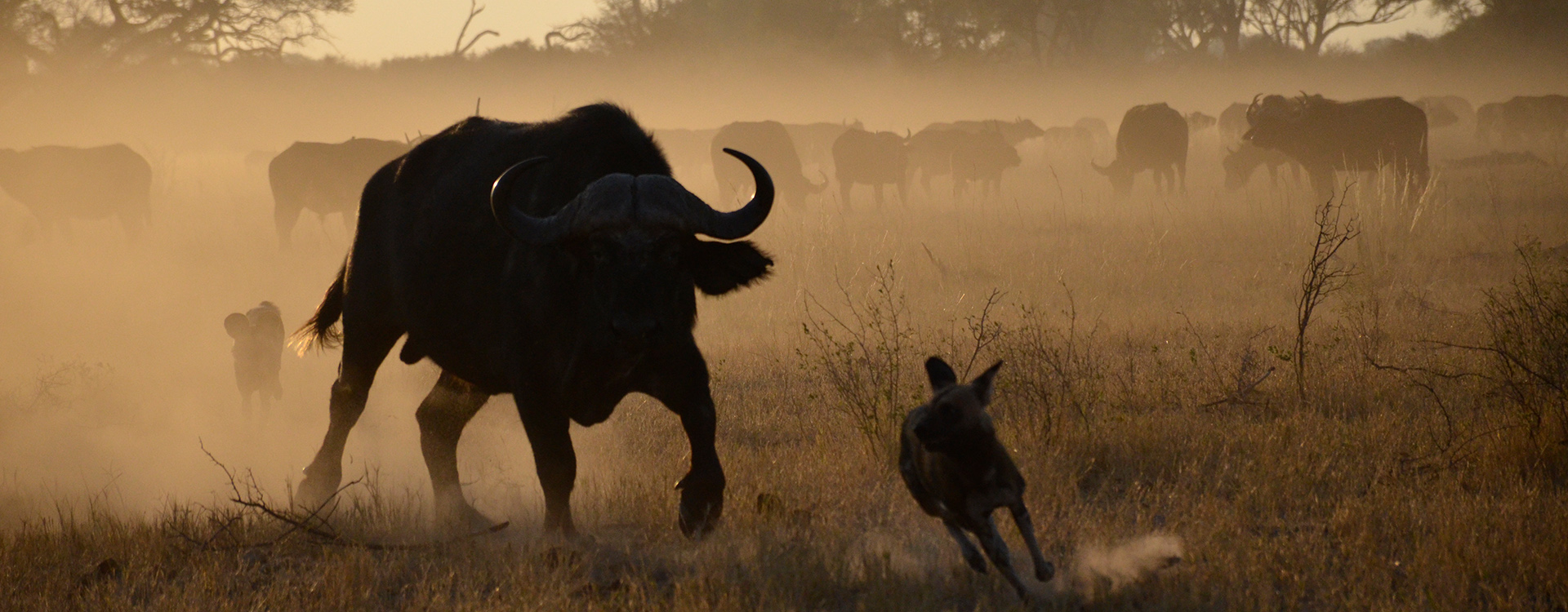
The Mababe Depression is a vast, ancient lakebed-turned-seasonal wetland in northern Botswana, spanning about 3,000 km² (with a core marsh area of around 2,600 hectares/6,400 acres when flooded). It's a key ecological link in the region's wildlife corridor, sitting between the Okavango Delta to the west/southwest, Moremi Game Reserve (and Khwai areas) nearby, and Chobe National Park (including Savuti) to the north/northeast. This positioning makes it a natural funnel for animal movements between these major ecosystems.
Geologically, it's an old depression that has seen changes in recent decades due to tectonic shifts—around 2007, increased water flow (via the Mababe River and Okavango feeders) created more permanent wetlands, turning it from a mostly dry grassland into a year-round wildlife hotspot.
Wildlife and Highlights
Mababe is renowned for dramatic predator-prey dynamics and mega-herds, often described as a "predator paradise" with intense action:
- Massive buffalo herds (some of Botswana's largest, often 1,000–2,000+ animals), supporting big lion prides—kill sightings are frequent, especially in the dry season.
- Elephants (herds up to 100+), hippos, zebras, giraffes, and plains game like warthog and various antelopes.
- Predators: lions, leopards, cheetahs, African wild dogs (packs common), hyenas.
- Other sightings: jackals, baboons, crocodiles, and nearly 400 bird species (excellent in wet season).
The open grasslands allow for spectacular, wide-open views of these interactions—think lions stalking buffalo herds across the plains.
Activities
Primarily game drives (day and night in private concessions), walking safaris in some areas, and photographic safaris. It's low-density tourism, with exclusive private concessions (no public self-drive in core areas). Mobile safaris or stays at luxury tented camps are common.
