
Makgadikgadi Pans National Park
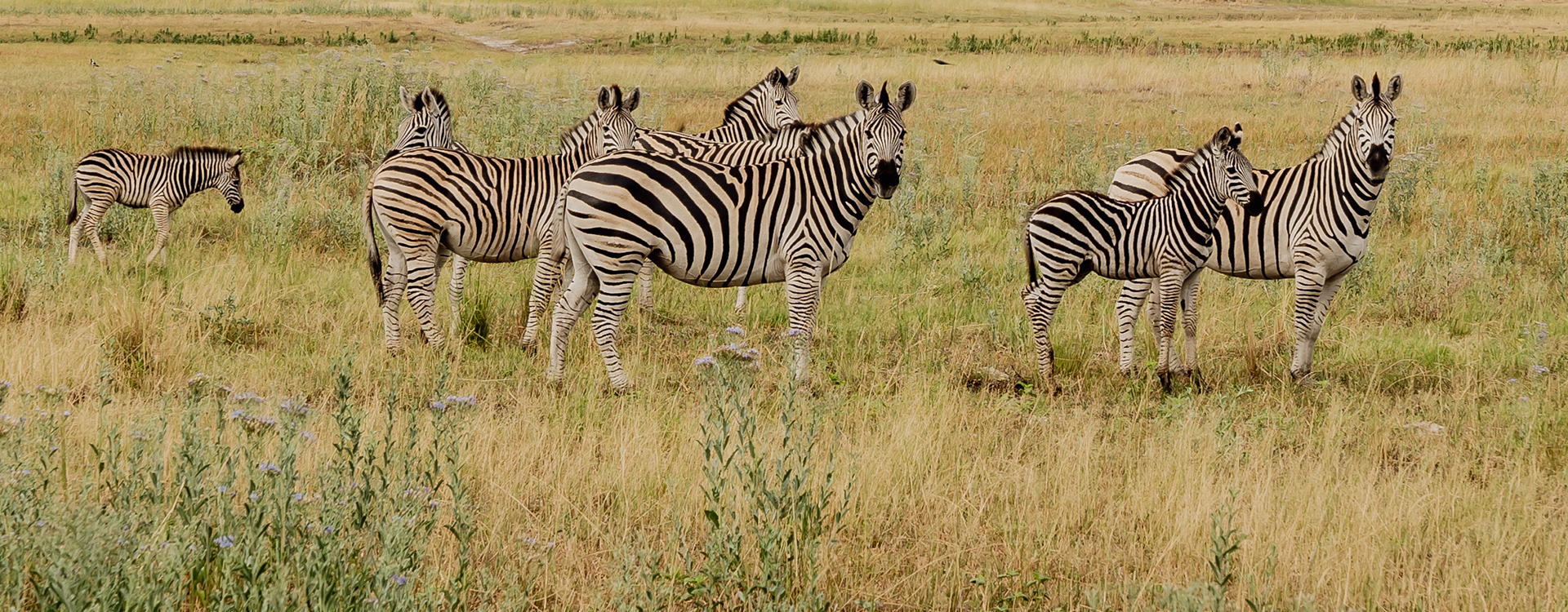
Makgadikgadi Pans National Park is one of Botswana's most surreal and otherworldly destinations—a massive expanse of ancient salt flats in the heart of the Kalahari Basin, covering about 3,900 km² (1,500 sq mi) as the national park, within the even larger Makgadikgadi Pans system (up to 16,000+ km² total). It's the remnant of a prehistoric super-lake that once covered much of southern Africa, now transformed into vast, shimmering white salt pans, grassy islands, acacia woodlands, and seasonal wetlands. The park is known for its stark beauty, endless horizons, dramatic sunrises/sunsets, and a profound sense of isolation—often described as "haunting" or "perspective-altering."
Located in north-eastern Botswana, south-east of the Okavango Delta and adjacent to Nxai Pan National Park (to the north, separated by the main road), it's part of the same ancient pan complex. It's less about dense Big Five sightings and more about unique landscapes, seasonal transformations, and special experiences like meerkat encounters.
Key Wildlife and Highlights
Wildlife is highly seasonal, with the park hosting one of Africa's largest remaining animal migrations (second only to the Serengeti/Mara in scale for zebras):
- Massive zebra and wildebeest migrations (tens of thousands) during the wet season, drawn to fresh grasses.
- Resident species: meerkats (habitated colonies for close encounters), brown hyenas, bat-eared foxes, springbok, gemsbok (oryx), red hartebeest, giraffe, ostrich.
- Predators: lions, cheetahs, jackals, and occasional wild dogs.
- In wet years: flamingos, pelicans, and thousands of migratory birds on flooded pans.
- Other: elephants (seasonal), various antelopes.
The eastern pans come alive with water and life after rains, while the western Boteti River area offers reliable wildlife year-round.
Top Activities
- Quad biking across the salt pans (a thrilling, bucket-list experience in dry conditions).
- Meerkat habituation visits (watch families forage and interact up close).
- Game drives (self-drive or guided, focusing on grasslands and riverine areas).
- Sleep-outs under the stars on the pans (remote, magical, with vast night skies).
- Guided Bushmen (San) walks (learn traditional tracking, foraging, and survival skills).
- Horse riding, helicopter flips (for aerial views of pans and birds), or cultural village visits.
- Birdwatching (peaks in wet season).
